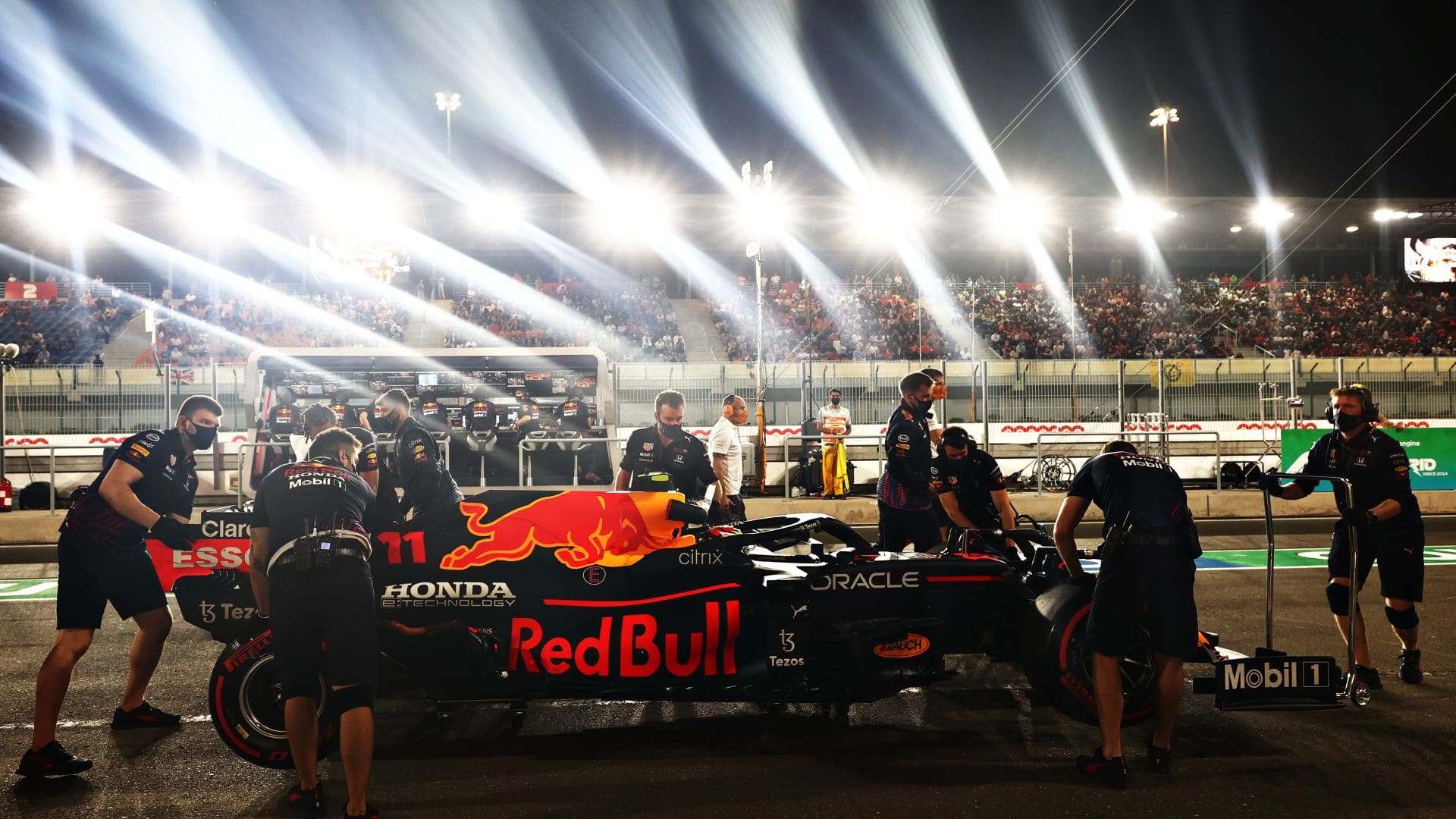
Qatar’s round of the Formula 1 World Championship is a night race. The grand prix takes place under full floodlighting at Lusail International Circuit, with the start scheduled after sunset so the entire 57 lap distance runs in the dark.
Racing at night in Qatar helps control track temperatures in the desert climate and gives drivers more consistent grip than they would have in the late afternoon heat. It also creates a clear visual identity for the event, with cars running under bright lights on a circuit lined with illuminated runoff, braking boards, and apex markers.
Teams prepare for Qatar with that schedule in mind, from visor tints and cooling solutions to setup choices that reflect how the track surface behaves once the sun has set and the lights take over…
What is the fan experience at the Qatar Grand Prix?
For fans in the grandstands, the Qatar Grand Prix feels very different from a daytime race. The start time sits later in the evening, so spectators arrive as the sun drops and watch the track light up section by section. The full floodlighting system keeps the circuit bright while the desert sky stays dark, which gives clear visibility from most viewing areas.
Even with cooler air than an afternoon start, the climate still feels warm and humid, so teams and spectators plan around heat. Fans can move between grandstands, fan zones, and food areas without direct midday sun, which makes longer days at the track more manageable for families and casual visitors. The night schedule also lines up well with work and school hours, which helps local crowds stay for the full race distance.
From the stands, the main visual focus sits on brake discs glowing into heavy stops, sparks under the floor on the main straight, and helmet designs that stand out under the lights. Engines sound sharper in cooler air, and the contrast between lit asphalt and dark run off areas gives fans a clear sense of speed as cars change direction through the faster sections.
How is Lusail International Circuit set up for night racing?
Lusail International Circuit measures 5.419 kilometers with sixteen turns, a long main straight, and a mix of medium and high speed sections. The layout puts stress on the front tires through the long right handers and rewards cars with strong traction out of slower corners before the straight. At night, track temperature drops compared with daytime running, which changes grip levels and can open different lines through key corners.
The floodlighting system covers the full lap, including braking markers, apex curbs, and exit points, so drivers can place the car accurately even when the desert beyond the barriers is dark. Marshals posts, flag panels, and digital boards all tie into that system, which keeps signals visible through spray, dust, or tire smoke. Television cameras pick up reflection from the bodywork and halo, which helps viewers follow cars closely in packs.
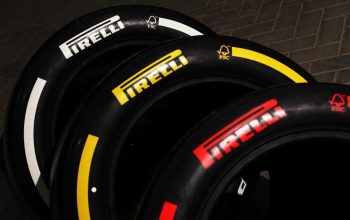
For teams, the race distance of 57 laps at night shapes setup and strategy. Brake cooling, tire pressures, and engine settings all sit close to the limit of performance while still allowing for long stints. Practice sessions that run after dark carry extra value, with data from those runs reflecting the grip and balance drivers will feel in the grand prix itself.